


 Schedule Service
 (972) 775-8084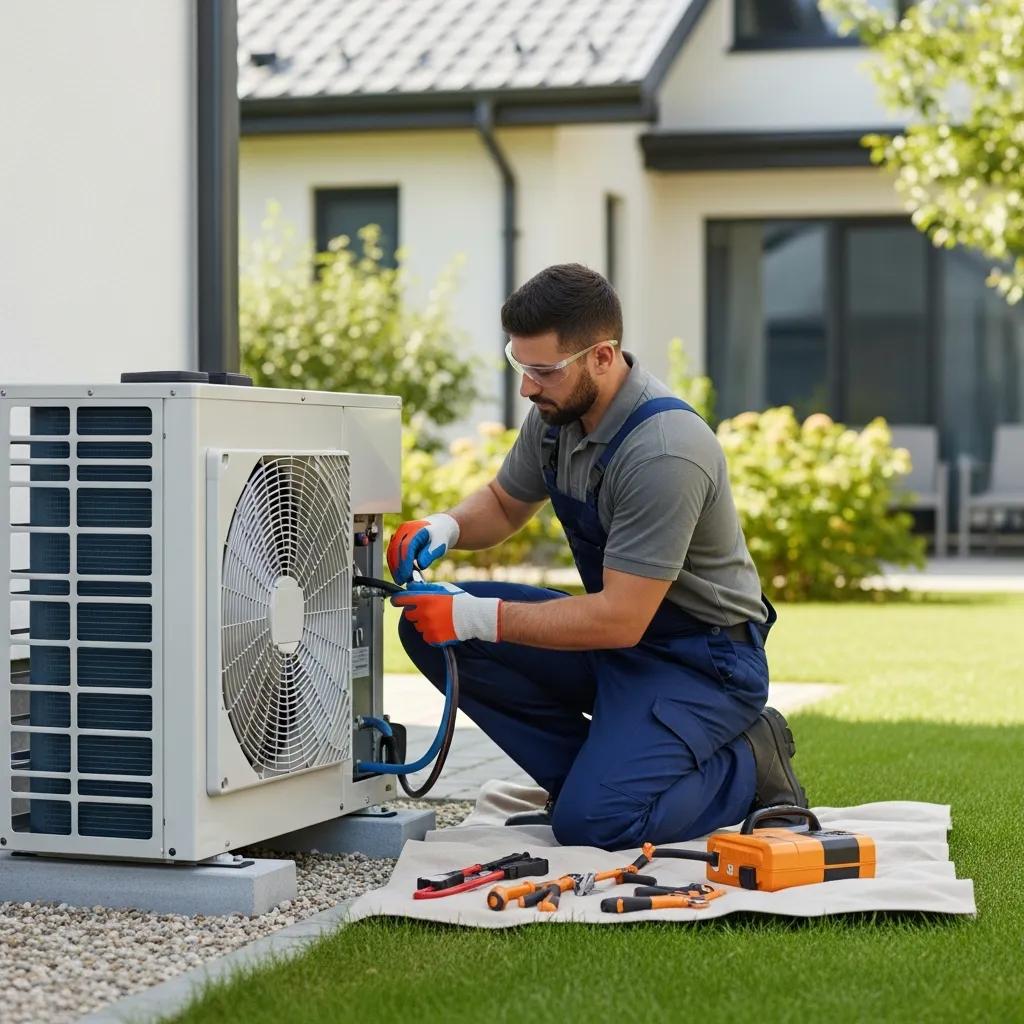
Seasonal Heat Pump Maintenance Checklist — A Midlothian, TX Guide to Reliable Heat Pump Care
Keeping your heat pump well-maintained seasonally keeps your home comfortable and helps avoid surprise breakdowns — especially here in Midlothian, where the weather can swing fast. This guide walks you through what to check, why it matters, and when to call a pro. Follow this checklist to protect efficiency, lower energy bills, and extend the life of your system. For hands-on help we cover key tune-up tasks, prepping for seasonal shifts, and the value of professional service — including our tune-up options.
This article is designed as a practical resource for homeowners: you’ll find simple monthly tasks, step-by-step seasonal prep, safe DIY limits, and what to expect from a professional inspection. Use it to create a maintenance rhythm that fits your household and local climate patterns.
Why seasonal heat pump maintenance matters for Midlothian homes
Seasonal maintenance helps your system handle temperature swings without strain. Routine checks catch restricted airflow, dirty sensors, and worn components before they cause comfort issues or emergency breakdowns. Planning tune-ups ahead of hot or cold stretches keeps your system more reliable and efficient when you need it most.
Beyond comfort, preventative care reduces the chance of mid-season failures that can be costly and inconvenient. Regular attention supports manufacturer warranties, helps maintain resale value of your home, and keeps energy use predictable so monthly costs don’t spike unexpectedly.
Research and field experience both point to the upside of proactive care and scheduled maintenance.
What problems come from skipping heat pump maintenance?
- Lower efficiency: A neglected heat pump uses more energy and costs more to run.
- Shorter equipment life: Small issues left unchecked can lead to premature failure.
- Higher repair bills: Minor faults can grow into major repairs if not caught early.
- Safety risks: Electrical faults or refrigerant leaks become more likely without inspections.
- Poor indoor air quality: Dirty filters and components reduce airflow and let dust and allergens circulate.
Regular maintenance helps avoid these problems and keeps your system working as intended. Skipping routine service often means technicians find compounding issues later: dirt that could have been removed early, components that might have been tightened before failing, or refrigerant leaks that go unnoticed until performance drops significantly.
How regular maintenance boosts efficiency and lifespan
Routine service keeps everything operating the way manufacturers intended. Technicians clean coils and filters, check for leaks, verify airflow, tighten electrical connections, and lubricate moving parts. That prevents the efficiency losses that come from dirt, low refrigerant, or worn components — which means lower bills and a longer-lasting unit.
In addition to mechanical checks, maintenance also uncovers small signs of wear so you can plan repairs on a convenient schedule rather than reacting to a breakdown. That planning reduces downtime and often results in lower parts and labor costs compared with emergency service calls.
A timely, thorough tune-up is one of the best ways to protect efficiency and prevent seasonal performance drops.
Key tasks in a complete seasonal heat pump tune-up
A thorough seasonal tune-up typically includes:
- Thermostat check — confirm settings and proper communication with the system.
- Electrical inspection — tighten connections and look for wear or damage.
- Ducts, filter, blower and indoor coil inspection — remove dirt and clear blockages.
- Airflow testing — measure and balance airflow for correct volume and distribution.
- Refrigerant check — verify levels and scan for leaks.
- Motor lubrication and belt inspection — reduce wear and noise, ensure smooth operation.
For reliable results, schedule professional maintenance so every step is done correctly. Technicians use gauges, flow meters, and visual inspections to create a documented baseline for your system, which makes future comparisons and troubleshooting faster and more accurate.
Typical parts inspected and tested during a tune-up include contactors, capacitors, fan motors, reversing valves (on heat pumps), and safety controls. If a part is near failure, a technician can recommend replacement before it causes a breakdown.
How to inspect and clean coils and filters the right way
Keep coils and filters clean to maintain efficiency. Good practice includes:
- Check filters every month — replace or clean as needed to preserve airflow.
- Clear the area around the unit — remove leaves, grass, and debris to allow free airflow.
- Schedule professional coil cleaning — pros use the right tools and cleaners to remove buildup safely.
- Verify drainage — make sure condensate and cleaning runoff drain properly to avoid moisture issues.
- Confirm system performance — after cleaning, verify the system runs efficiently and all components respond correctly.
- Keep a routine — annual or biannual professional checks catch hidden problems early.
When inspecting coils yourself, power off the unit and visually check for bent fins, heavy debris, or oil/dirt buildup. Light brushing and gentle rinsing can remove surface debris, but avoid harsh tools that bend fins or damage coil coatings. For heavy buildup or corrosion, call a technician—professional cleaning restores heat transfer safely without risking leaks or damage.
Why checking refrigerant and electrical components is critical
Refrigerant levels and electrical health directly affect performance and safety. Low refrigerant, loose wiring, or failing electrical parts reduce efficiency, increase energy costs, and can cause expensive failures. Regular checks catch issues early, preserve system efficiency, and keep your home safe.
Common electrical checks include verifying breaker and disconnect integrity, testing capacitors under load, and inspecting control wiring and terminals for signs of arcing or overheating. For refrigerant, technicians use pressure readings and leak-detection tools to confirm correct charge and identify system breaches before they worsen.
Plus, routine maintenance can lead to real savings on energy bills over time. Catching a refrigerant leak quickly preserves performance and helps avoid the greater expense of compressor replacement later on.
Preparing your heat pump for spring and summer in Midlothian
Get your heat pump ready for warmer months with a few focused steps:
- Schedule preventative maintenance — catch issues before cooling season ramps up.
- Book a tune-up — have a technician inspect and tune your system.
- Clean coils — improve airflow and cooling capacity.
- Check for blocked airflow — remove obstructions that limit performance.
- Inspect sensors — ensure temperature sensors and controls are clean and accurate.
These actions reduce the risk of breakdowns when temperatures rise. In addition, mark a simple calendar reminder for pre-summer checks so the tasks become routine rather than last-minute.
Steps to ensure top cooling performance in hot weather
Simple steps ahead of summer help keep your home comfortable:
- Inspect the outdoor unit — keep at least two feet clear of plants and debris for proper intake and exhaust.
- Seal duct leaks — sealing gaps improves airflow and efficiency.
- Test thermostat settings — make sure it can reach and hold your desired temperatures; recalibrate if needed.
- Run a full cycle and listen — check for unusual noises and steady airflow in every room.
Also consider a short, practical checklist to run before heavy use: change or clean filters, clear vegetation, confirm condensate drain is flowing, and verify the thermostat program for comfortable daytime and nighttime temperatures. Doing this annually reduces the chance of mid-summer service calls.
How spring maintenance prevents summer breakdowns
Spring checks remove common causes of summer failure — dirty filters, low refrigerant, and sensor or thermostat issues. Regular inspections keep equipment efficient, extend life, and improve indoor air quality so your system performs reliably when it’s working hardest.
Document any anomalies found during spring maintenance so technicians can reference them during later service. A simple log with dates, filter changes, and service notes helps track trends and decide when a part should be replaced rather than repeatedly repaired.
Fall and winter maintenance to keep your heat pump dependable
To prepare for colder months, follow these recommendations:
- Inspect air filters monthly — replace or clean to maintain airflow.
- Keep two feet of clearance — remove debris around the outdoor unit for proper airflow.
- Check thermostat settings — set for heating season to avoid wasted energy.
- Listen for unusual sounds — early detection prevents bigger problems.
- Inspect electrical connections — secure loose wiring to reduce hazards.
- Inspect ducts, filters, blower, and indoor coil — remove dirt and blockages.
- Test airflow and refrigerant levels — confirm proper heating performance and detect leaks.
- Lubricate motors and inspect belts — prevent wear-related failures.
These checks improve safety, efficiency, and equipment life through the season. When the unit switches to heating mode, monitor cycle times and room-to-room temperature balance during the first few days to catch any early issues.
Optimizing heat pump heating for cold weather
For reliable heating during cold snaps:
- Check filters monthly to keep airflow steady.
- Clear debris around the outdoor unit so it can breathe properly.
- Verify thermostat settings and schedule any needed recalibration.
- Listen for odd noises that might indicate mechanical wear.
- Schedule professional maintenance so technicians can tune and test system components.
In very cold weather, confirm the defrost cycle operates as expected on heat pumps that require it. A functioning defrost cycle prevents icing and ensures steady heat delivery. If you notice prolonged icing, reduced heat output, or unusual defrost activity, contact a technician promptly.
Signs your heat pump needs a professional winter tune-up
Call a technician if you notice any of the following:
- Thermostat behaving oddly — incorrect settings or poor response.
- Strange noises — grinding, squeaks, or other unfamiliar sounds.
- Inconsistent room temperatures — hot and cold spots suggest airflow or component issues.
- Rising energy bills without change in use — a sign of reduced efficiency.
- Poor airflow — weak output or restricted vents.
If these occur, schedule professional service to avoid bigger problems. When you call, describe symptoms, how long they’ve been present, and any recent changes—this helps technicians prioritize likely causes before arrival.
DIY heat pump maintenance—what homeowners can do safely
Homeowners can handle basic upkeep safely. These simple tasks help system health between professional visits:
- Inspect air filters monthly and replace or clean as needed.
- Keep the area around the unit clear of debris for unrestricted airflow.
- Check thermostat settings for season-appropriate temperatures.
- Listen for unusual sounds that could signal issues.
For complex repairs or refrigerant/electrical work, call a licensed technician. Never attempt to open electrical panels, recover refrigerant, or perform tasks that require specialized tools and certifications.
Easy seasonal tasks you can do yourself
These simple checks take minutes but help performance:
- Monthly filter checks — swap or clean filters as needed.
- Maintain a two-foot clearance around the outdoor unit to prevent airflow restriction.
- Verify thermostat settings so the system runs efficiently.
- Note unusual sounds and report them to your service provider if they persist.
Other homeowner-friendly tasks include wiping accessible vents, ensuring supply registers are open, and checking visible condensate lines for blockage. Keep a small notebook or digital note with dates of DIY maintenance so professional technicians have context during service calls.
When to call a professional
Call a pro if your system is noisy, not heating or cooling properly, you notice leaks, or you’re uncomfortable performing maintenance. We also recommend an annual professional inspection to catch issues early and keep your warranty in good standing.
When arranging service, ask what the technician will inspect, whether safety tests will be included, and whether they provide a written report and recommendations. A clear service report helps you decide which repairs are urgent and which can be scheduled later.
Benefits and typical value of professional heat pump maintenance
Benefits of professional maintenance
- Expert diagnosis — technicians spot problems fast and accurately.
- Thorough inspections — nothing important gets missed.
- Higher quality work — trained crews using proper tools and parts.
- Convenience — save time and avoid DIY risks.
- Lower energy bills — a tuned system runs more efficiently.
- Longer equipment life — routine care delays costly replacements.
- Improved safety — pros catch electrical or refrigerant issues early.
- Smaller environmental footprint — efficient systems use less energy.
Value of professional maintenance
The investment in professional maintenance varies based on the service and your specific system. For detailed options and available promotions, please contact our office. When comparing service providers, inquire whether filter replacement, coil cleaning, and any necessary small parts are included, or priced separately. An itemized estimate helps you compare service options effectively.
How professional service saves you money over time
Regular professional service prevents small faults from growing into expensive repairs and keeps your system operating efficiently — which lowers utility bills. Proper maintenance also extends equipment life, delaying the cost of replacement and improving comfort all year long.
Keep records of each service visit, including the technician’s notes and parts replaced. Over time these records demonstrate performance trends and help determine the right timing for larger investments, such as a major component replacement or a system upgrade.
Recent studies show well-maintained high-efficiency heat pumps can deliver substantial seasonal efficiency gains.
Financing and maintenance plans from Hardin Heating & Air in Midlothian
Hardin Heating & Air offers tailored maintenance plans that include detailed diagnostics, recommended action plans, and scheduled check-ups to keep systems running smoothly. We also provide financing options to help spread the cost of repairs or new equipment.
Maintenance plans typically bundle visits at scheduled intervals, priority service, and discounts on repairs. Ask about plan details so you understand what is covered and how emergency calls are handled. A predictable plan can simplify budgeting and encourage consistent care.
How seasonal maintenance affects indoor air quality and comfort

Seasonal maintenance directly improves indoor air quality and comfort. Clean or replaced filters remove dust and allergens, while proper coil and duct care keeps humidity and odors in check. A maintained system delivers more consistent temperatures and better airflow, creating a healthier, more comfortable home.
If anyone in the household has allergies or respiratory issues, keeping the HVAC system in good condition becomes even more important. Regular maintenance reduces airborne particulates and helps maintain more consistent humidity control, which supports respiratory comfort and can reduce mold and dust mite activity.
Why replacing filters matters for healthy indoor air
Clogged filters reduce air flow and let pollutants build up in your home. Regular filter replacement keeps airborne dust and allergens under control, helps manage humidity, and supports better breathing for everyone — especially those with allergies or respiratory concerns.
Choose the right filter for your system and indoor needs; higher-efficiency filters can trap smaller particles but may require more frequent checks to ensure airflow is not restricted. If you’re unsure which filter grade is best, a service technician can recommend an appropriate option based on system capability and household needs.
How maintenance keeps home comfort consistent year-round
Routine service prevents temperature swings and uneven rooms by addressing worn parts, airflow problems, and control issues. Clean ducts and filters, a tuned compressor, and correct refrigerant levels help your heat pump deliver steady, predictable comfort through every season.
Balancing vents, sealing duct leaks, and confirming thermostat placement are small steps that produce noticeable comfort improvements. For homes with persistent hot or cold spots, a technician can perform a targeted airflow assessment and suggest practical fixes such as register adjustments or zone controls when appropriate.
How to schedule and prepare for your seasonal heat pump maintenance with Hardin Heating & Air
During a professional tune-up you can expect:
- Thermostat inspection — confirm correct settings and communication with the system.
- Electrical checks — tighten and inspect connections for safety.
- Duct and filter inspection — clear dirt and obstructions from ducts, blower, and indoor coil.
- Airflow testing — measure and balance air volume for proper distribution.
- Refrigerant check — verify levels and test for leaks.
- Motor lubrication and belt inspection — reduce wear and noise.
- Comprehensive cleaning — remove buildup from key components to restore airflow.
- System calibration — fine-tune settings for peak performance.
- Safety inspection — check for electrical hazards and system integrity.
- Personalized recommendations — receive a clear report and next-step suggestions.
These steps help keep your system efficient, safe, and reliable. When booking, let the office know any recent changes you’ve noted—unusual sounds, shorter cycles, or uneven temperatures—so the technician can prioritize diagnostics during the visit.
Before the technician arrives, make basic access easy: clear around the outdoor unit, remove obstacles from the indoor air handler area, and locate any service records or warranty information you have on hand. That streamlines the visit and helps the technician be more effective.
How to contact and book heat pump service in Midlothian, TX
To book service in Midlothian, reach Hardin Heating & Air, LLC at:
- Phone: (972) 775-8084
- Email: [email protected]
- Address: 841 Dividend St, TX 76065
Visit our website to learn more or request a quote. If you prefer, request a maintenance plan quote that outlines visit frequency and plan benefits so you can compare options side-by-side.
Schedule Your Seasonal Tune-Up Today
Seasonal maintenance protects comfort, cuts unexpected costs, and keeps your heat pump running efficiently. Don’t wait for a problem — schedule your tune-up and protect your system before the next hot or cold spell. Explore our service plans to find one that fits your home and budget.
Use the simple monthly and seasonal checks in this guide to keep a predictable rhythm for care, and call a licensed technician whenever you encounter electrical issues, refrigerant concerns, or problems beyond routine cleaning and filter changes. A small investment in maintenance delivers reliable comfort and predictable energy costs across every season.