Smart Home Energy Management Systems: How to Optimize HVAC Efficiency and Save Energy
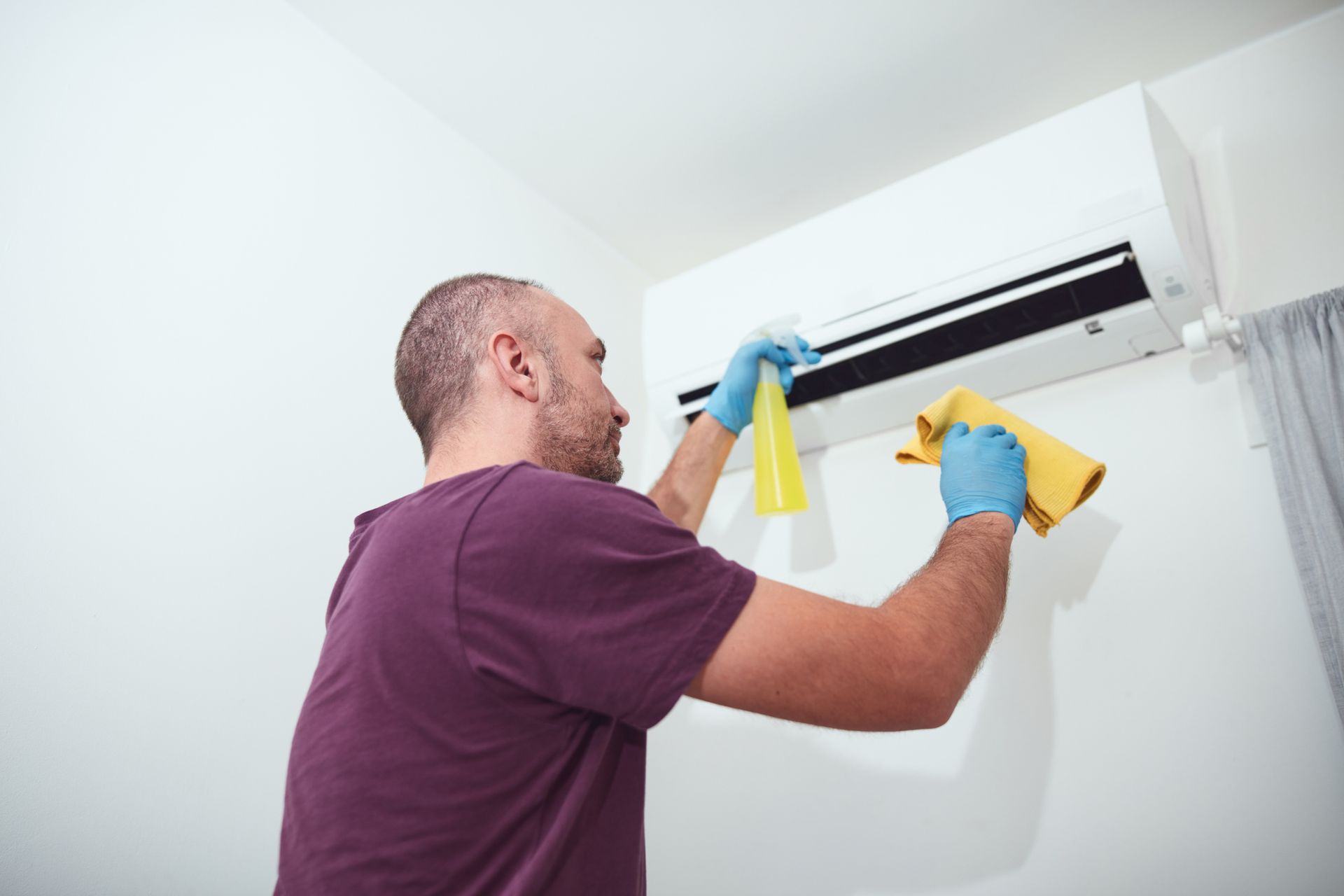
Timely repairs and regular maintenance are the fastest ways to keep your HVAC running efficiently and lower your energy use. Keeping refrigerant at the right level, cleaning coils, fans, and filters, and making sure your thermostat is properly calibrated all help your system use less power. Routine care prevents the system from working harder than it should — which saves you money and reduces your home’s environmental impact.
Before investing in new equipment or smart controls, many homeowners benefit from a simple energy assessment. An audit can identify obvious losses (like air leaks, poor insulation, or duct issues), highlight which appliances use the most power, and establish a baseline so you can measure savings after upgrades. You don’t need specialized tools to spot problems: inconsistent temperatures from room to room, frequent short cycling, or rapidly rising utility bills are clear signals that a deeper look is worth scheduling.
What Causes High Energy Bills and Inefficient HVAC Systems in Homes?
Several common issues can drive up energy costs and reduce HVAC efficiency:
- Neglecting Repairs: Putting off needed repairs forces your system to run harder, wasting energy and risking bigger breakdowns. Prompt fixes keep efficiency steady and avoid costly emergencies.
- Low Refrigerant Levels: Low refrigerant makes the system struggle to reach set temperatures, increasing energy use. Correct refrigerant charge is vital for proper cooling and heating.
- Dirty Components: Buildup on coils, fans, and filters blocks airflow and reduces heat transfer, so the system works longer and uses more power. Regular cleaning and filter changes restore performance.
- Faulty Thermostats: A miscalibrated thermostat can cause frequent cycling and unnecessary run time. Accurate thermostat settings help the system run only when needed.
- Electrical Issues: Loose or damaged wiring can cause shorts, failures, or safety hazards that affect performance. Routine electrical checks prevent these problems.
Fixing these problems quickly improves efficiency and lowers monthly utility bills.
When prioritizing work, start with the items that directly affect airflow and control: filters, duct leaks, thermostat calibration, and refrigerant level. These tend to produce the fastest, most noticeable improvements in comfort and energy use. If multiple problems exist, a phased approach lets you address the highest-impact items first while budgeting for larger upgrades later.
How Do Outdated HVAC Systems Impact Energy Consumption?
Older systems typically lose efficiency as parts wear and technology lags behind modern designs. Even with regular maintenance, aging equipment can draw more energy to keep your home comfortable. Upgrading to a newer, energy-efficient unit often delivers noticeable savings and reduces your carbon footprint.
Signs that a system is past its optimal performance include frequent repairs, rising repair costs, uneven heating or cooling, and a decline in indoor air quality. When replacement becomes necessary, looking for higher seasonal efficiency ratings, variable speed compressors, and properly sized systems will improve long-term comfort and reduce operating costs compared with older models.
What Are Common Homeowner Challenges with Energy Waste?
Homeowners often face a few recurring issues that waste energy:
- Clogged Dryer Vents: Blocked dryer vents force dryers to run longer, increasing energy use and creating fire risk.
- Delayed HVAC Repairs: Putting off service lets small problems turn into big energy drains.
- Low Refrigerant Levels: Undetected leaks lower efficiency and comfort while raising energy costs.
- Dirty HVAC Components: Clogged coils and filters reduce performance and drive up consumption.
- Faulty Thermostats: Incorrect readings or programming cause unnecessary run time and higher bills.
Left unchecked, these issues mean higher bills and less comfort at home.
Fortunately, many wasteful conditions are easy to prevent with small, regular actions: changing filters according to manufacturer guidance, keeping dryer vents clear, checking seals on windows and doors, and scheduling annual HVAC tune-ups. Simple behavior changes — closing vents in unused rooms, using ceiling fans to help with comfort, and setting reasonable thermostat setbacks — complement technical fixes for steady savings.
How Do Smart Home Energy Management Systems Work to Improve Efficiency?
Home Energy Management Systems (HEMS) connect to HVAC and other home devices to monitor real-time energy use and make automatic adjustments. They spot inefficiencies early, trigger maintenance alerts, and help your system run only when needed — all of which improve performance and lower energy waste.
What Is a Home Energy Management System?
A HEMS is a platform that tracks energy consumption across your home and gives clear, actionable insights. By analyzing usage patterns, it recommends changes and can automate settings to reduce waste and improve comfort.
Research shows HEMS can have a meaningful impact on energy use and utility bills.
A typical HEMS bundles device-level data from thermostats, whole-home monitors, and smart plugs into a single dashboard. Homeowners see hourly and daily trends, receive alerts when consumption spikes, and can set rules (for example, pause the HVAC fan when windows are open). Many systems also include mobile apps for remote control and simple automation that runs based on occupancy, schedules, or outside temperature forecasts.
How Does HEMS Integrate with HVAC Systems for Energy Savings?
HEMS ties into HVAC performance data to detect issues like low refrigerant, dirty components, or thermostat errors and alerts you before they become costly. By guiding timely repairs and applying smart controls, HEMS keeps your HVAC running smoother, using less energy, and saving you money while supporting sustainability goals.
Integration typically works through a combination of hardware connections and cloud-based analytics. Sensors report temperatures, run times, and electrical draw; the platform looks for trends that indicate inefficiency and can either notify the homeowner or automatically adjust setpoints and schedules. In some setups, HEMS can participate in demand response programs or temporarily shift loads during peak utility periods to lower costs for the homeowner.
What Are the Key Components of Smart Home Energy Solutions?
Smart home energy setups combine several devices that work together to manage usage and keep you comfortable:
Core components often include a smart thermostat, a whole-home energy monitor, smart plugs or appliance monitors, door/window sensors, and occupancy or motion detectors. More advanced installations may add smart vents, zone control dampers, or specialized sensors for humidity and air quality. Each element supplies data that helps the system make smarter choices about when and how HVAC and other appliances run.
How Do Smart Thermostats Save Energy and Enhance Comfort?
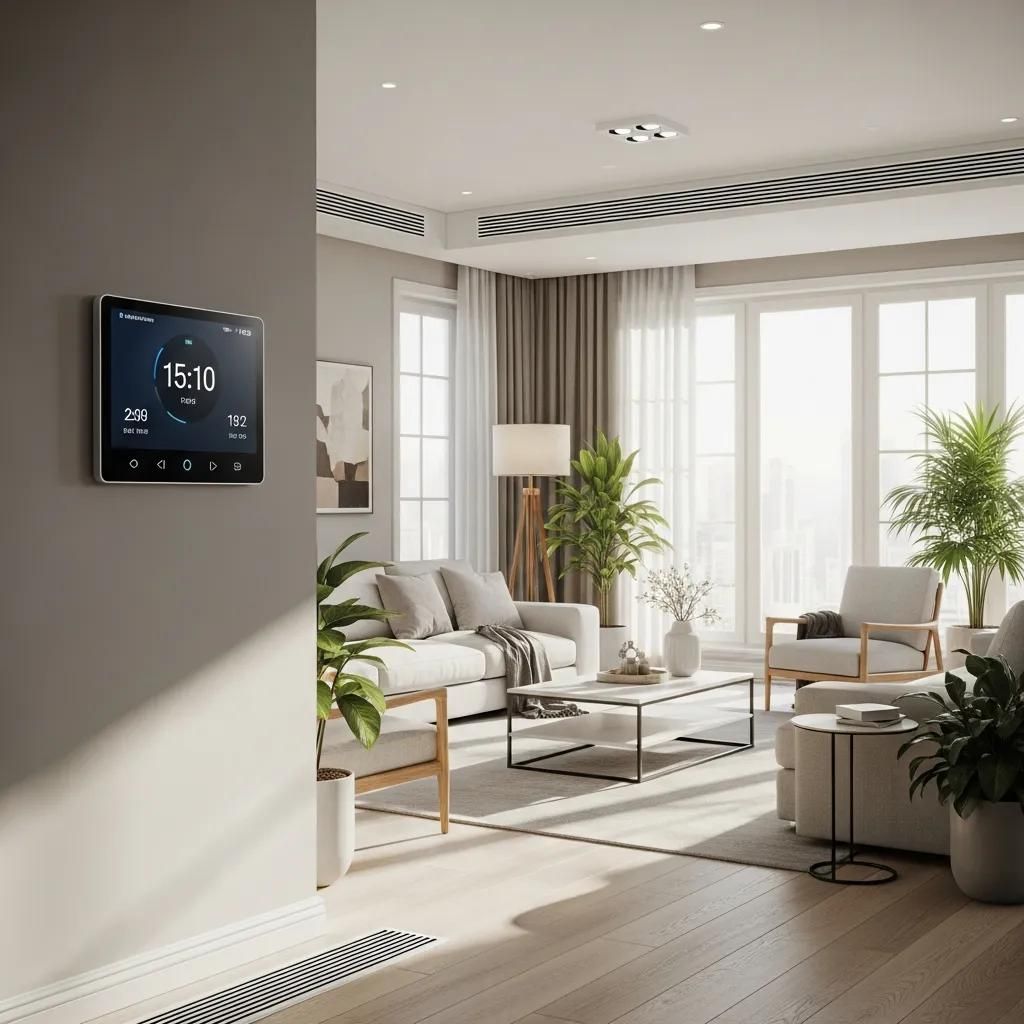
Smart thermostats learn your schedule and preferences, adjust temperatures automatically, and optimize run times based on occupancy and weather. That reduces wasted heating and cooling and keeps temperatures consistent for greater comfort.
Modern models commonly include features like adaptive learning, geofencing that senses when residents are away or returning, and multi-stage control for systems with variable-speed equipment. These features let the thermostat maintain comfort when you’re home and create efficient setbacks when you’re away, minimizing unnecessary runtime without sacrificing comfort.
What Role Do Whole Home Energy Monitors Play in Usage Tracking?
Whole-home energy monitors measure real-time consumption so you can see which appliances use the most power. Those insights help you target changes that cut waste and lower bills.
When you can see device-level trends — such as the washer drawing extra power, a pool pump running inefficiently, or an always-on gadget using baseline energy — you can set priorities for repairs or behavior changes. Many monitors also provide historical charts so you can track the impact of upgrades or seasonal changes over time.
How Can HVAC Energy Efficiency Upgrades Boost Your Smart Home System
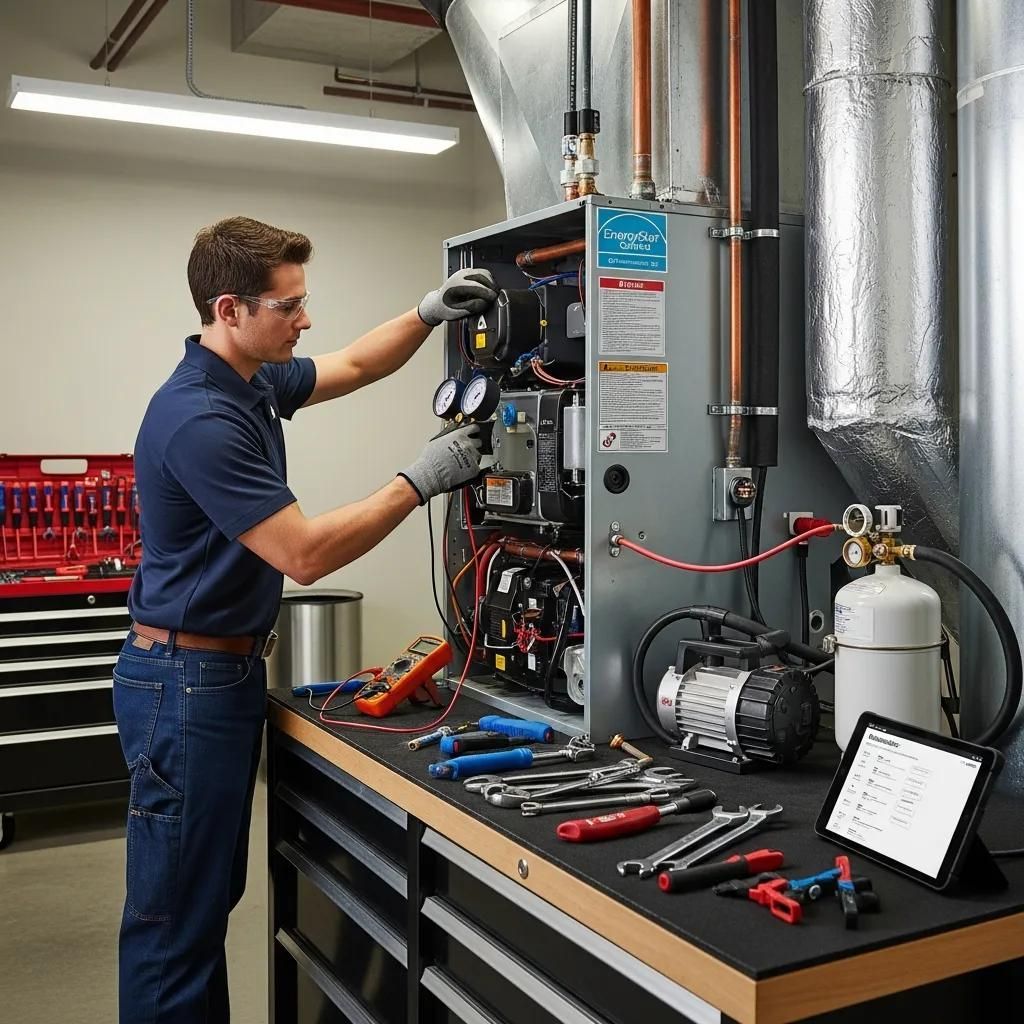
Upgrades like high-efficiency units, variable-speed motors, and better duct sealing make your smart home controls more effective by reducing the baseline energy your HVAC needs. Regular service — refrigerant checks, component cleaning, and thermostat calibration — keeps those upgrades working at peak performance. These improvements lower utility bills , increase comfort, and help the planet.
Advances like machine learning are changing how HVAC maintenance is predicted and how systems are tuned for efficiency.
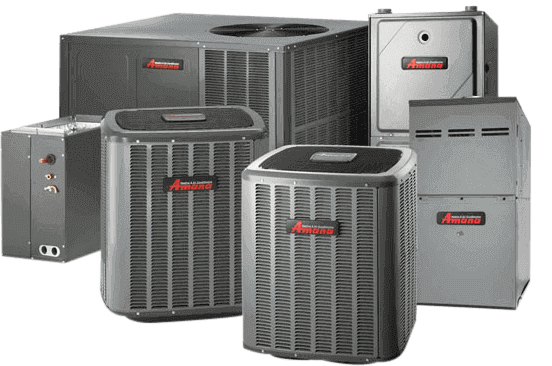
When considering upgrades, think about the whole system: a high-efficiency condensing unit paired with properly sealed and insulated ductwork, matched airflow, and an intelligent thermostat will usually outperform piecemeal changes. Discuss expected lifespan and warranty coverage with your installer so you can weigh upfront costs against longer-term savings and reduced repair frequency.
What Are the Benefits of Modern Energy-Efficient HVAC Systems?
Modern, efficient HVAC systems offer several clear benefits:
- Cost Savings: They use less fuel or electricity, producing lower monthly bills.
- Environmental Impact: Reduced energy use means fewer greenhouse gas emissions.
- Comfort and Air Quality: Advanced systems keep temperatures steady and filter out pollutants and allergens.
- Consistent Heating and Cooling: Even distribution eliminates hot and cold spots.
- Improved Indoor Air Quality: Better filtration and routine maintenance reduce dust and allergens.
- Extended Lifespan: Efficient operation and proper care delay the need for replacement.
- Reduced Strain on the System: Smoother operation means less wear and fewer breakdowns.
How Does Preventative HVAC Maintenance Support Energy Management?
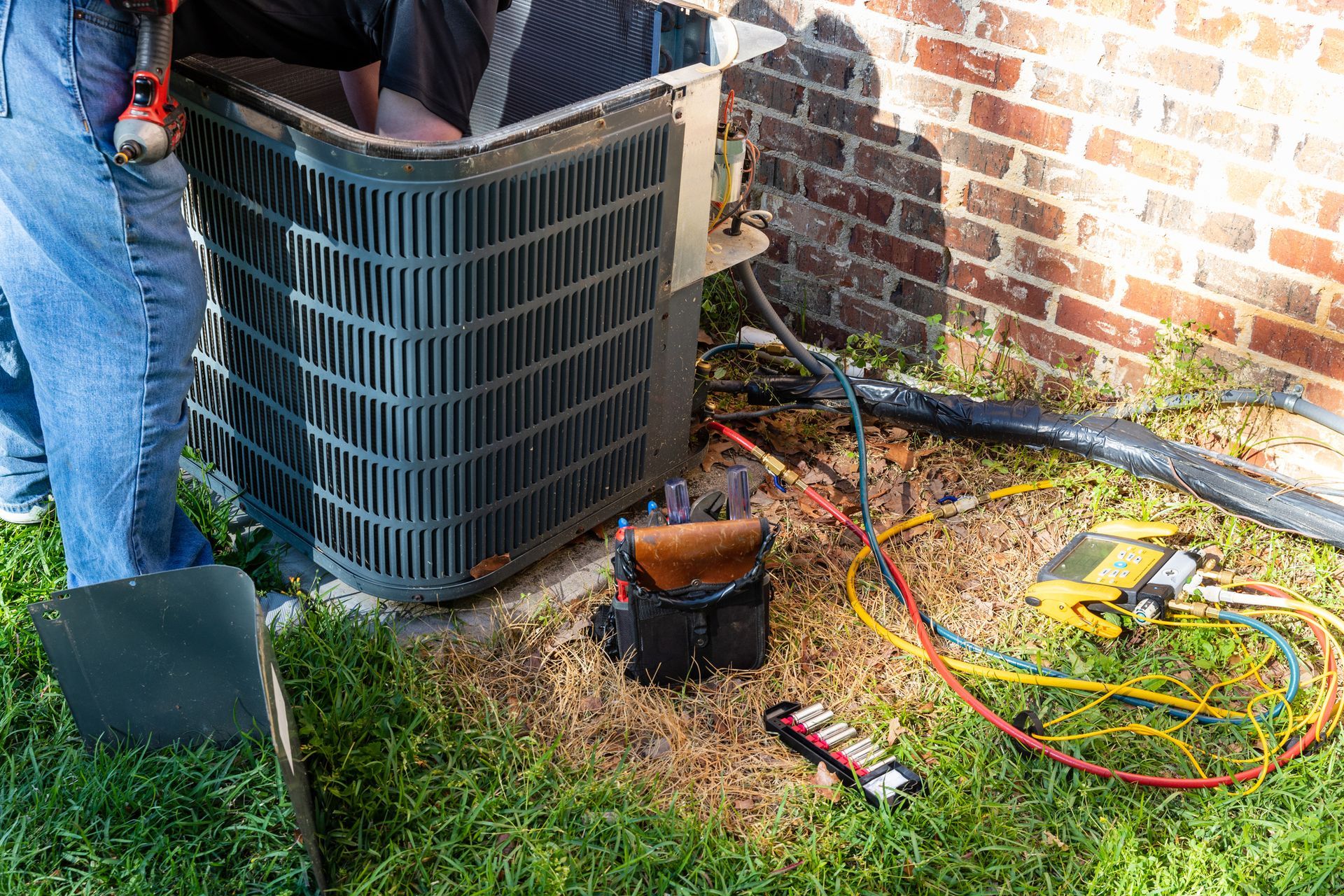
Preventative maintenance keeps your system efficient and avoids costly failures. Typical tasks include checking refrigerant, cleaning coils and filters, inspecting electrical parts, and calibrating thermostats. Those steps reduce wasted energy, lower bills, and extend equipment life while preserving indoor comfort and air quality.
A simple maintenance checklist helps homeowners stay on track: replace or clean filters every 1–3 months (depending on use and filter type), clear debris around outdoor units, verify thermostat accuracy seasonally, and schedule professional tune-ups annually or before heavy-use seasons. Document service dates and any parts replaced so you have a record that supports warranty claims and resale value.
What Are the Benefits of Implementing Smart Home Energy Management Systems?
Implementing a smart energy management system improves efficiency and comfort through continuous monitoring, automated controls, and timely service alerts — all working together to reduce waste and operating costs.
How Do Smart Energy Solutions Reduce Utility Bills?
Smart solutions lower bills by optimizing when and how your HVAC runs, providing real-time monitoring, and automating efficient settings. Combined with proactive maintenance — like refrigerant checks and component cleaning — these systems help your equipment use less energy month after month.
Simple strategies that deliver steady savings include modest thermostat setbacks at night and during work hours, avoiding extreme temperature setpoints, and using adaptive schedules that learn occupancy patterns. For example, allowing a 6–8 degree setback during long absences or at night when covers and bedding help maintain comfort can cut runtime without making the home uncomfortable.
In What Ways Do These Systems Enhance Home Comfort and Sustainability?
They keep temperatures steady, improve air quality through filtration and maintenance reminders, and reduce dust and allergens. By extending equipment life and cutting energy waste, smart systems also make your home more sustainable.
How Can Homeowners in Midlothian, TX Access Smart Home Energy Solutions?
Homeowners in Midlothian, TX can get smart energy solutions through Hardin Heating & Air, LLC. We offer comprehensive HVAC tune-ups, maintenance plans, and UV lighting services to boost efficiency and indoor air quality. We also provide flexible financing options to help make upgrades affordable. For details, call us at (972) 775-8084.
When choosing a local provider, look for licensed technicians, clear service agreements, and transparent estimates. Ask potential installers for references, proof of insurance, and examples of similar projects in your area. A reputable company will explain tradeoffs, present options rather than a single upsell, and provide a written scope of work with timelines and warranty details.
What Services Does Hardin Heating & Air Offer for Smart Thermostat Installation?
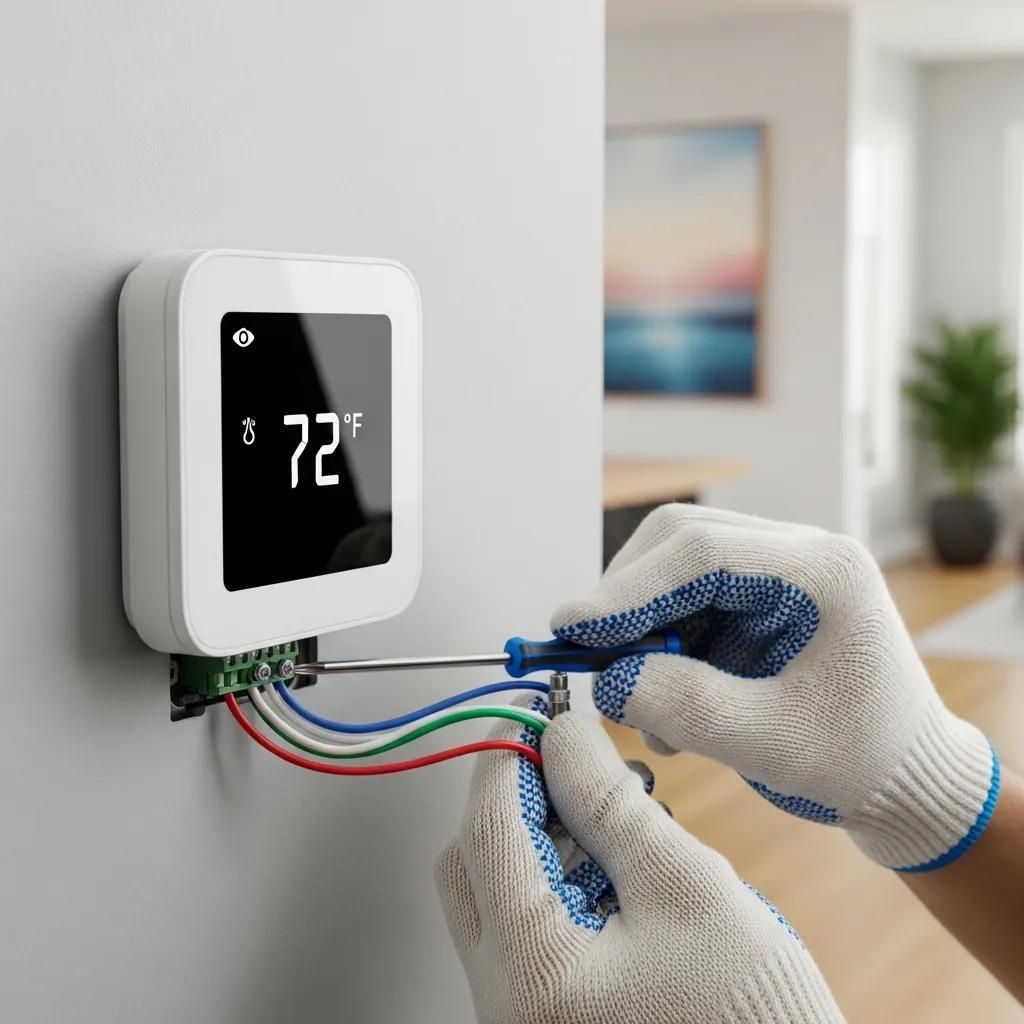
Hardin Heating & Air provides professional smart thermostat installation and setup. Our technicians help you choose the right model, install it correctly, and show you how to use its features so you get the best energy savings and comfort.
Typical installation steps include confirming compatibility with your HVAC wiring and equipment, mounting the thermostat, connecting sensors if applicable, configuring Wi‑Fi and app access, and walking through user settings and schedules. We also verify system operation after installation so you leave with confidence that the thermostat is communicating properly with the HVAC equipment.
How Can Flexible Financing Make Energy Upgrades Affordable?
Flexible financing lets you spread the cost of heating and cooling upgrades so you can invest in efficiency without a large upfront payment. Through partners like GreenSky, we offer options that make reliable, energy-efficient equipment and repairs easier to fit into your budget.
To prepare for financing, gather basic documentation like proof of income, ID, and recent utility bills. Discuss loan terms, monthly payment estimates, and any promotional rates with your provider so you understand total cost and monthly impact. Financing can be particularly helpful when combining several upgrades at once, such as a new HVAC unit paired with duct sealing and a smart thermostat.
What Are Common Questions About Smart Home Energy Management Systems?
Answering common questions helps clear up confusion and shows how these systems can work for your home.
What Devices Are Included in a Smart Home Energy System?
Typical devices include smart thermostats, whole-home energy monitors, and smart plugs. Together they give real-time visibility and allow automated control of heating, cooling, and other appliances to reduce waste.
Additional accessories can include remote temperature sensors, occupancy detectors, smart water heater controls, and integration with rooftop solar inverters for homes that generate their own power. The configuration you choose should reflect your goals: lower bills, improved comfort, better air quality, or a combination.
Can Smart Thermostats Really Save Energy and Money?
Yes. Smart thermostats improve temperature control, cut unnecessary cycling, and adapt to occupancy and preferences. Those features reduce run time and can lower utility bills while keeping your home comfortable.
Savings depend on how you use the thermostat and the efficiency of your HVAC system, but many homeowners see practical improvements by combining a smart thermostat with basic maintenance and behavior changes. The thermostat is a tool; pairing it with a well-serviced system realizes the most consistent results.
How to Get Started with Smart Home Energy Management for Your HVAC System?
Getting started means reviewing your options and working with trusted professionals to choose the right solutions for your home.
What Is the Process for Scheduling a Smart Home Energy Consultation?
Scheduling a smart home energy consultation usually begins with a call or online request to a local HVAC provider like Hardin Heating & Air. We’ll inspect your system, recommend upgrades, and outline the next steps to improve efficiency and comfort.
During the consultation, expect a technician to review your current thermostat settings, inspect indoor and outdoor equipment, look for duct and insulation issues, and discuss lifestyle needs. The visit should conclude with a clear set of recommended actions, a prioritized plan, and an estimate that distinguishes between maintenance, repair, and upgrade work.
How Does Integration of Smart Technology Improve Long-Term Savings?
Smart technology enables proactive maintenance and more efficient operation, which extends equipment life, prevents expensive repairs, and reduces energy consumption over time. A well-maintained, smart-enabled HVAC system delivers steady comfort and lower bills for years.
Over the life of a system, preventative alerts and optimized operation reduce stress on components and help avoid sudden failures. That smoother operation often means fewer emergency calls and more predictable expenses, improving total ownership experience for homeowners who prioritize long-term reliability and comfort.
Ready to Optimize Your Home’s Energy Efficiency?
Take the next step toward a more efficient, comfortable home by scheduling a smart home energy consultation with Hardin Heating & Air. Our team will help you pick and install the right solutions for your needs. Call Us: (972) 775-8084 Contact Us Online
The post Smart Home Energy Management Systems Explained appeared first on Hardin Heating & Air, LLC.